


Introduction
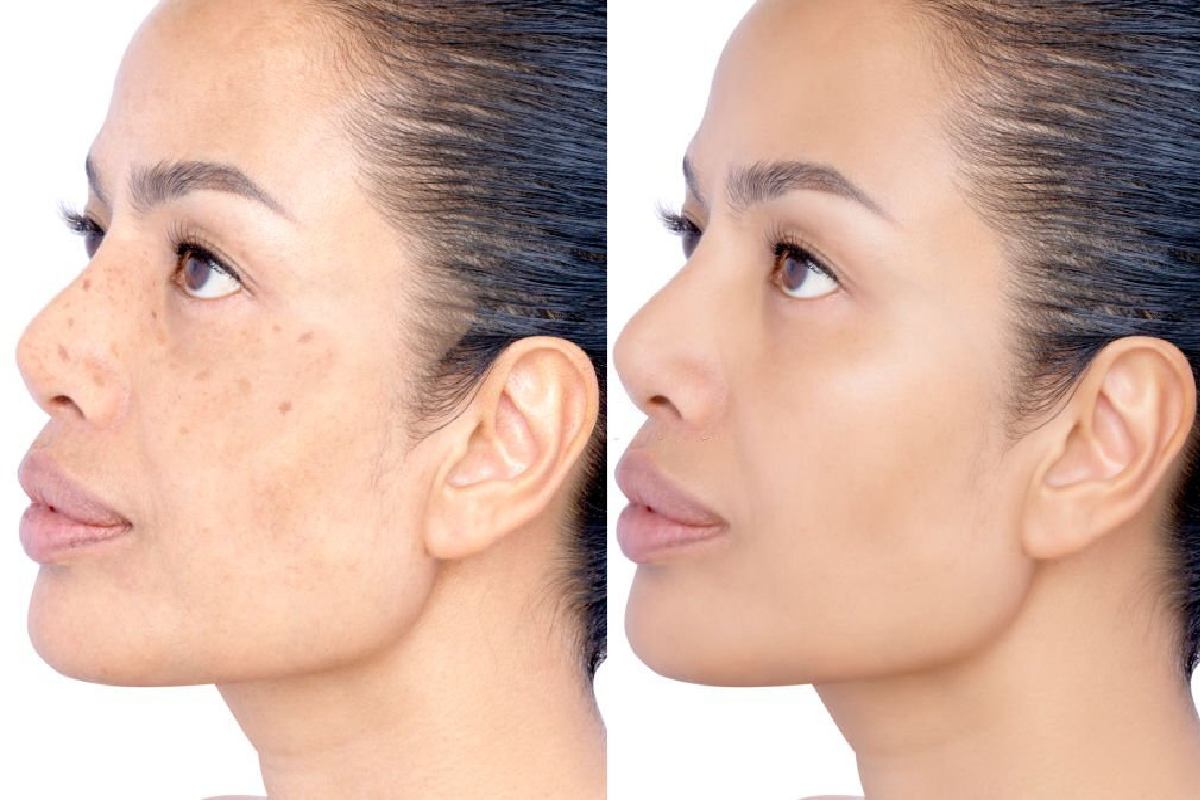
Skin pigmentation is a complex biological phenomenon that plays a crucial role in human diversity and protection. It refers to the color of the skin, which is determined primarily by the presence and distribution of a pigment called melanin. The intricate interplay of genetics, environmental factors, and cellular processes leads to the broad spectrum of skin tones observed across different populations. This article will delve into the definition, types, challenges, and applications of skin pigmentation.
Understanding Skin Pigmentation
Skin pigmentation results from a fascinating biochemical process that involves the production, distribution, and degradation of melanin within specialized cells known as melanocytes. These cells originate in the epidermis’s basal layer, the skin’s outermost coating. Melanin, produced within melanosomes within melanocytes, serves several vital functions, including protecting the skin from the harmful effects of ultraviolet (UV) radiation, regulating body temperature, and contributing to the overall appearance of an individual.
Types of Skin Pigmentation
- Eumelanin is the primary type of melanin responsible for brown and black skin and hair hues. It provides natural protection against UV radiation by absorbing and dissipating harmful energy.
- Pheomelanin: This type of melanin imparts red and yellow shades to the skin and hair. Unlike eumelanin, pheomelanin offers minimal protection against UV radiation and is associated with increased susceptibility to skin damage caused by sun exposure.
- Mixed Melanin: Most individuals possess a combination of eumelanin and pheomelanin in varying ratios, resulting in a wide range of skin characteristics from light to dark.
Genetics and Skin Pigmentation
Genetics plays a fundamental role in determining an individual’s skin pigmentation. Specific genes, such as MC1R, OCA2, and TYR, among others, regulate the production and distribution of melanin. Moreover, variations in these genes can lead to variations in skin color among different populations. For instance, people with African ancestry tend to have higher levels of eumelanin, providing increased protection against the intense UV radiation prevalent in their regions. On the other hand, people with European ancestry often have lower levels of eumelanin and higher levels of pheomelanin, resulting in lighter skin tones.
Challenges in Skin Pigmentation Research
- Health Disparities: Disparities in skin pigmentation can lead to unequal health outcomes. People with darker skin may be more prone to vitamin D deficiency due to reduced UVB penetration. In comparison, lighter skin users are at advanced risk of skin cancer due to lower natural protection against UV radiation.
- Dermatological Research: Many dermatological treatments and studies have historically focused on lighter skin tones, leading to limited understanding and representation of skin conditions in darker-skinned individuals.
- Cosmetic Industry: Limited shade ranges in cosmetics can make it challenging for individuals with darker skin tones to find suitable products, reflecting a lack of inclusivity in the cosmetic industry.
Applications of Pigmentation Research
- Sun Protection: Understanding the role of melanin in protecting the skin from UV radiation has led to the development of more effective sunscreens that cater to different skin tones.
- Medical Diagnostics: Skin pigmentation variations can be diagnostic markers for specific medical conditions, such as albinism and vitiligo.
- Forensic Science: Skin pigmentation analysis can assist forensic experts in predicting the possible appearance of an individual based on DNA evidence, aiding criminal investigations.
- Cosmetic Development: Inclusivity in the cosmetic industry has gained traction, with a broader range of products tailored to diverse skin tones.
Conclusion
Skin pigmentation is a multifaceted aspect of human biology encompassing genetics, environmental influences, and cultural significance. Meanwhile, the intricate mechanisms underlying skin coloration continue to be a subject of fascination and scientific inquiry. However, by unraveling the complexities of skin pigmentation, researchers are enhancing our understanding of human diversity and developing practical applications that contribute to sun protection, medical diagnostics, forensic science, and inclusivity in the cosmetic industry. As we move forward, embracing and celebrating the rich tapestry of skin pigmentation will undoubtedly lead to a more informed and inclusive society.
