


Introduction
Ultraviolet (UV) radiation is a procedure of electromagnetic radiation beyond the visible light spectrum. While UV radiation has various beneficial applications, such as in medicine and technology, it also presents potential risks to living organisms, including humans. This article aims to provide a complete overview of ultraviolet radiation, exploring its definition, types, possible consequences, protective measures, and significance in various fields.
Defining Ultraviolet Radiation
Ultraviolet radiation is a type of energy that is emitted by the sun and various artificial sources. It falls between the visible light and X-ray portions of the electromagnetic spectrum. UV radiation has petite wavelengths than visible light, making it invisible to the human eye. It can be characterized into three main types based on wavelength:
- UVA (320-400 nm): Also known as “long-wave” UV, UVA radiation has the lengthiest wavelength of the three types. It is the least energetic form of UV radiation and is commonly associated with tanning beds and black lights. UVA rays can infiltrate deep into the skin and are often linked to premature aging.
- UVB (280-320 nm): UVB radiation has a medium wavelength and is often called “medium-wave” UV. It is responsible for causing sunburns and is more energetic than UVA radiation. While UVB rays do not penetrate the skin as deeply as UVA rays, they are a leading cause of skin cancer.
- UVC (100-280 nm): UVC radiation has the shortest wavelength, known as “short-wave” UV. It is the most energetic and potentially harmful type of UV radiation. Fortunately, the Earth’s atmosphere absorbs most UVC radiation, preventing it from reaching the surface.
Sources of Ultraviolet Radiation
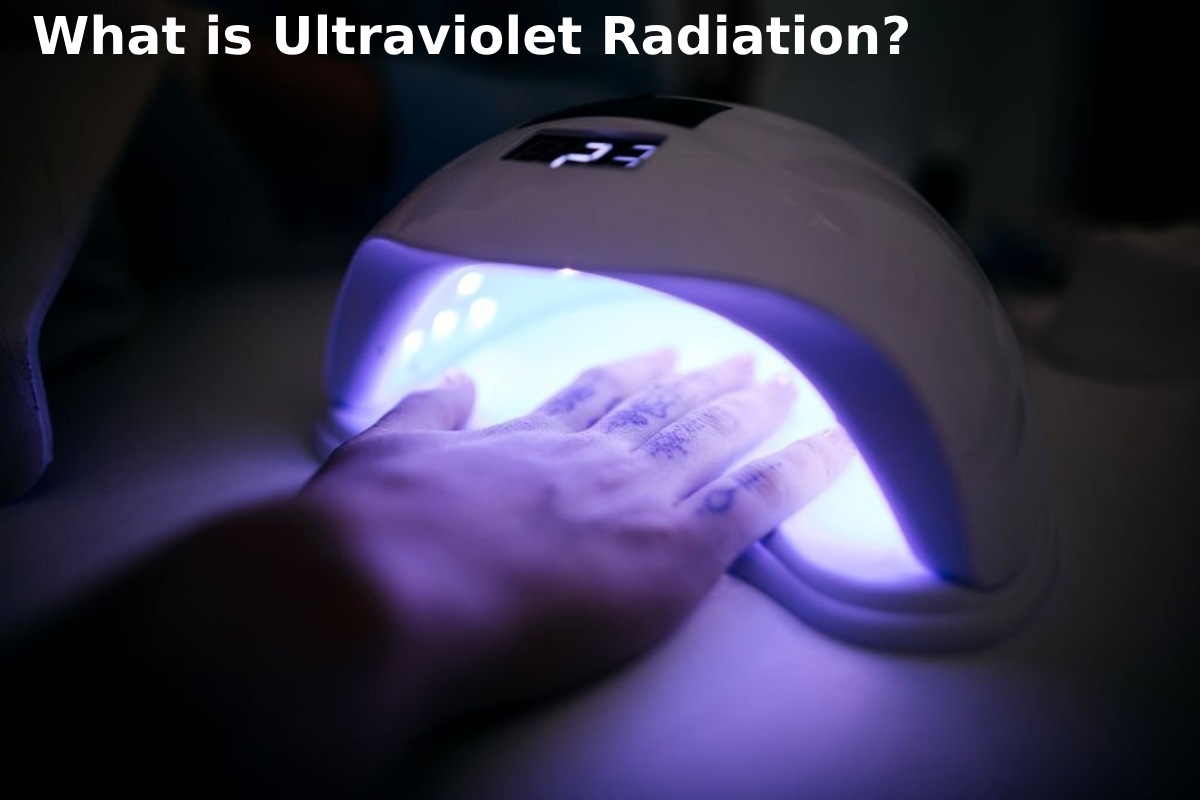
The primary source of ultraviolet radiation is the sun. The Earth’s atmosphere absorbs some of the incoming UV radiation, but a significant amount still reaches the surface. Specific artificial sources, such as tanning beds, arc welding, and UV lamps, emit UV radiation for particular purposes.
Positive Aspects of Ultraviolet Radiation
Despite its potential risks, UV radiation has several critical applications:
- Vitamin D Production: UVB radiation plays a crucial role in the mixture of vitamin D in the skin. Vitamin D is essential for preserving healthy bones and a robust immune system.
- Medical Treatments: UV radiation is used in phototherapy to treat skin circumstances like psoriasis, vitiligo, and eczema. It can also disinfect air, water, and surfaces in medical settings.
- Forensic Analysis: UV light is utilized in forensic investigations to detect bodily fluids, fibers, and other evidence that may not be visible under normal light.
- Fluorescence: UV radiation induces fluorescence in certain materials, making it useful in applications such as counterfeit detection, mineral identification, and artwork authentication.
Negative Impacts and Health Risks
Excessive exposure to UV radiation can have harmful effects on human health and the environment:
- Skin Damage: Overexposure to UVA and UVB radiation can lead to various skin issues, including sunburn, premature aging, and an augmented risk of skin cancer.
- Eye Damage: Prolonged exposure to UV radiation without proper eye protection can damage the cornea, lens, and other structures of the eye, potentially leading to cataracts and other vision problems.
- Suppression of Immune System: UV radiation can suppress the immune system’s function, making individuals more susceptible to infections and diseases.
- Environmental Impact: Excessive UV radiation can harm aquatic ecosystems by affecting the growth and development of marine organisms, particularly those in shallow waters.
Protective Measures
To mitigate the risks associated with UV radiation, individuals can take the following precautions:
- Sunscreen: Applying broad-spectrum sunscreen with a high SPF can help defend the skin from UVA and UVB radiation.
- Protective Clothing: Wearing clothing that shelters the skin, such as long-sleeved shirts, pants, and wide-brimmed hats, can provide adequate sun protection.
- Sunglasses: UV-blocking sunglasses can shield the eyes from harmful UV rays and reduce the risk of eye-related issues.
- Avoid Peak Hours: Minimize outdoor activities during the peak sunlight hours (usually between 10 a.m. and 4 p.m.) to reduce exposure.
- Seek Shade: Stay in the shade, especially when the sun’s rays are the strongest.
Conclusion
While serving essential functions in various fields, ultraviolet radiation poses potential risks to human health and the environment. Understanding the different types of UV radiation, their sources, and the measures to mitigate their harmful effects is essential for individuals and society. By taking appropriate precautions, we can harness the positive aspects of UV radiation while minimizing its negative impacts.
